Understanding Joint Mobility and Connective Tissue Health
An educational exploration of natural compounds and lifestyle factors that support healthy joints and connective tissue function.
The Anatomy of Healthy Joints
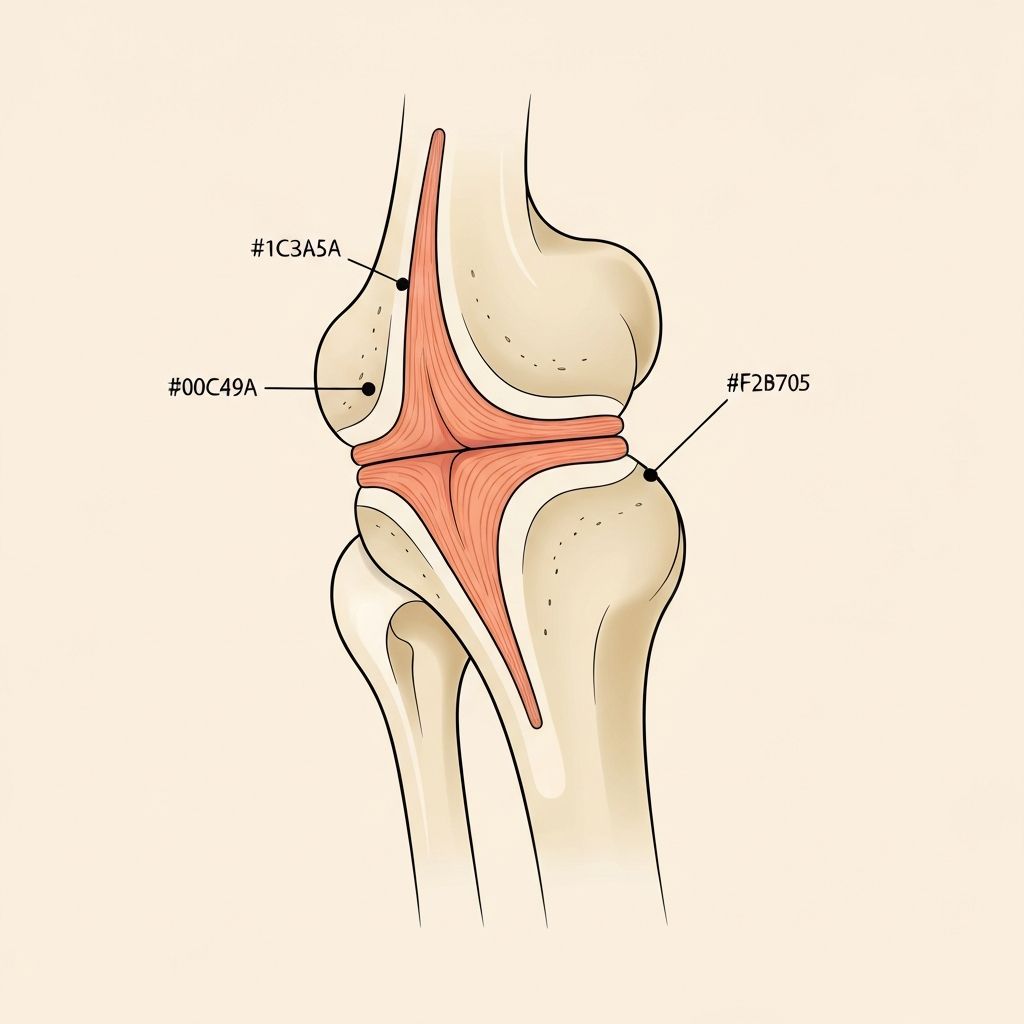
Healthy joints are complex structures composed of several interconnected components working in harmony. Understanding their basic anatomy provides foundation for recognizing how natural support approaches align with normal joint function.
The primary elements include cartilage—a smooth, elastic tissue that covers bone ends and allows fluid movement; ligaments—fibrous structures that connect bones and provide stability; tendons—tissues connecting muscles to bones enabling movement; and synovial fluid—the natural lubricant that reduces friction within the joint space.
Each component has distinct roles in maintaining mobility, flexibility, and structural integrity. Normal joint function depends on the coordinated health of all these elements working together.
Key Natural Ingredients for Support
Throughout history and across cultures, certain plant-based and naturally-derived compounds have been studied for their potential roles in supporting joint structure and function. These ingredients are often categorized by their botanical or chemical origin.
Botanical Extracts
Plant compounds like turmeric, ginger, and boswellia have been traditionally used and are subjects of nutritional research regarding their potential effects on joint tissues and general wellness support.
Amino Acids & Proteins
Essential amino acids, including those found in gelatin and collagen precursors, play structural roles in connective tissue formation and maintenance throughout the body.
Micronutrients
Vitamins and minerals such as vitamin C, vitamin D, and minerals like zinc and manganese are recognized for their roles in maintaining tissue integrity and supporting normal body functions.
The Role of Diet in Joint Health
Nutrition fundamentally influences how all body systems function, including those supporting joint structures. A balanced diet provides the macro and micronutrients necessary for tissue maintenance and optimal bodily processes.
Key nutritional considerations include adequate protein intake for tissue repair, healthy fats for cellular function, and sufficient micronutrients for biochemical processes. Whole grains, colorful vegetables, and quality protein sources contribute to overall wellness that supports mobility and flexibility.
Hydration also plays an important role, as water is essential for maintaining synovial fluid volume and supporting all cellular functions throughout the body. Consistent, balanced nutrition supports general health and the body's natural ability to maintain tissue function.
Lifestyle and Movement
Regular, moderate physical activity is fundamental to maintaining overall health and supporting joint function. Movement promotes flexibility, strengthens supporting muscles, and maintains the body's natural mobility patterns.
Consistency matters more than intensity. Gentle activities such as walking, swimming, yoga, or stretching routines can be integrated into daily life. Maintaining good posture throughout the day also supports spinal health and reduces unnecessary strain on joint structures.
Rest and recovery are equally important. The body requires adequate sleep and periods of reduced activity to maintain all physiological functions. A balanced approach to movement—neither sedentary nor excessively strenuous—supports long-term health and mobility.
Understanding Connective Tissues
Connective tissues form the structural framework throughout your entire body. Beyond joints, these tissues include tendons, ligaments, fascia, and the supportive structures around organs. They share common characteristics: composition of collagen and elastic fibers, and roles in providing structural support and enabling movement.
Different types of connective tissue have specialized functions. Dense connective tissue in ligaments provides stability, while elastic fibers in tendons allow controlled movement. Understanding that joint health is part of a broader system of structural tissues helps frame the importance of general wellness practices that support tissue integrity throughout the body.
Key Functions of Connective Tissues:
Providing structural support and shape to the body
Enabling controlled movement and flexibility
Protecting internal organs and systems
Facilitating nutrient distribution and cellular communication
Supporting the body's natural repair and adaptation processes
Myths and Facts About Joint Support
Misinformation about joint health is common. Below are clarifications distinguishing common misconceptions from evidence-based understanding:
Myth
Joint stiffness always indicates disease or serious problems.
Fact
Morning stiffness and mild stiffness from inactivity are normal responses of healthy joints. Regular gentle movement typically resolves this naturally.
Myth
Natural supplements provide immediate relief from discomfort.
Fact
Natural compounds support tissue health through ongoing nourishment. Benefits develop gradually as part of consistent wellness practices, not overnight.
Myth
Once joint tissue is compromised, it cannot recover or improve.
Fact
The body continuously remodels tissues. Supportive nutrition and movement can contribute to tissue adaptation and improved function over time.
Myth
Exercise is harmful to joints and should be avoided.
Fact
Appropriate, consistent movement strengthens joints and supporting structures. Avoidance of activity often leads to stiffness and reduced mobility.
Scientific Research & Context
Scientific research on natural compounds and joint health follows rigorous methodologies designed to understand efficacy and mechanisms of action. Understanding how this research is conducted helps place information in proper context.
Peer-reviewed studies examine specific compounds in controlled settings, measuring outcomes over defined periods. Results are interpreted within the context of study design, population size, and measured variables. Individual studies contribute to broader scientific understanding when replicated and reviewed by multiple researchers.
The distinction between correlation and causation is important: observing that people using certain compounds report wellness does not prove the compound causes the wellness. Multiple factors including lifestyle, genetics, and other habits influence overall health.
Scientific literacy involves understanding that supplement research, like all nutrition research, evolves as new information emerges. Current knowledge represents our best understanding based on available evidence, while remaining open to refined understanding as research continues.
Maintaining Flexibility & Comfort
Long-term mobility depends on consistent attention to lifestyle factors that support joint function and overall wellness. Daily practices create cumulative effects that influence how joints perform throughout life.
Hydration supports synovial fluid production and overall cellular function. Adequate water intake, especially around physical activity, is foundational. Gentle stretching routines maintain range of motion and flexibility. Even 10-15 minutes daily can significantly impact long-term mobility.
Maintaining healthy body composition reduces structural stress on joints. Balanced nutrition and regular moderate activity support appropriate weight and muscle tone that protect joint structures. Sleep quality influences recovery and tissue repair processes. Consistent sleep schedules support the body's natural repair mechanisms.
Glossary of Terms
Understanding terminology used in joint health discussions provides foundation for informed learning. Below are definitions of commonly referenced terms:
Cartilage
Smooth, elastic tissue covering bone ends within joints, enabling fluid movement and reducing friction.
Collagen
The primary structural protein in connective tissues, providing strength and elasticity to joints, tendons, and ligaments.
Connective Tissue
Body tissues composed primarily of fibers and proteins that provide structural support throughout the body.
Synovial Fluid
Natural lubricating fluid within joints that reduces friction and supports nutrient delivery to joint structures.
Ligament
Fibrous tissue connecting bones to other bones, providing stability and limiting excessive movement in joints.
Tendon
Fibrous tissue connecting muscles to bones, enabling controlled movement through muscle contraction.
Bioavailability
The degree to which a nutrient or compound can be absorbed and utilized by the body.
Micronutrient
Vitamins and minerals required in small quantities for normal body functions and tissue health.
Macronutrient
Large-scale nutrients (proteins, fats, carbohydrates) required in significant quantities for health and energy.
Flexibility
The ability of joints and muscles to move through their full range of motion without restriction.
Mobility
The functional ability to move joints and limbs with ease and appropriate range of motion during daily activities.
Botanical Extract
Concentrated form of plant compounds derived through extraction processes that isolate active plant constituents.
Educational Content Only
No promises of outcomes. This website provides educational information intended to explain concepts, describe phenomena, and provide context regarding natural supplements and joint health. The information is not intended to advise, recommend specific actions, or influence personal health decisions. The content does not constitute medical advice, diagnosis, or treatment recommendations.
Exploring Further
This knowledge hub provides introductory educational information on joint mobility, connective tissue health, and natural support approaches. Additional resources and deeper exploration of specific topics are available throughout this site.
We encourage informed, independent learning about health topics that interest you. Use the navigation menu to explore specific topics in more detail, or contact us with questions about our educational approach.